



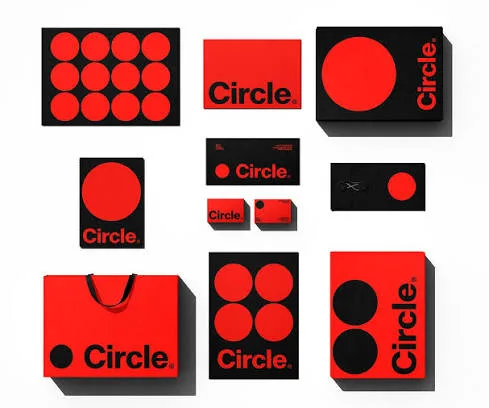
A company's visual identity is not just a nice logo designed in minutes via ready templates, but the visual embodiment of the company's spirit, core values, and fundamental promise to customers. In a market teeming with competitors, an integrated visual identity forms the first shield granting your company a trusted professional look, helping you grab consumer attention from the first glance and build a bridge of sustainable trust that remains unshaken over time.
Introduction: Why Visual Identity Represents the Major Turning Point for Companies
The customer builds their initial impression of a company's quality and efficiency based on its external appearance within fractions of a second. If the visual identity is cluttered, unprofessional, or constantly changing, the customer instantly loses trust regardless of actual product quality. Building a cohesive visual identity is a long-term strategic investment ensuring brand continuity and distinction amid commercial clutter.
Stages of Building a Professional Visual Identity from Scratch
-
Crafting Brand Strategy and Vision: Before opening design software, the company's personality, core values, and message to the target audience must be precisely defined.
-
Designing an Adaptable and Scalable Logo: Creating a logo characterized by simplicity, flexibility, and the ability to appear with absolute clarity across various screens and sizes (from small mobile screens to massive billboards).
-
Documenting Brand Guidelines: Creating a comprehensive reference booklet defining approved colors, official typography, logo usage rules, and visual prohibitions to ensure consistency across all channels.
Frequently Asked Questions
Q: When does a company need a visual identity rebranding? A: When company goals change, when expanding into new markets, or when the current identity becomes outdated and fails to keep pace with the aspirations of a new customer generation.
Q: What is the biggest mistake companies make when designing their first identity? A: Relying on cheap, random designs or blindly copying competitors without creating a unique, independent personality expressing the company's special competitive advantage.