



In a world where digital choices accelerate and platforms multiply, UI/UX design is no longer just a complementary aesthetic touch decorating apps and websites but the primary and essential driver of any tech product's success. The contemporary customer has become rigorous; they abandon an app or website taking more than a few seconds to understand or complete a simple task. This highlights the urgent need for a deeper understanding of modern interactive design sciences and advanced strategies ensuring sustainable engagement.
Introduction: Why Interactive Design Has Become an Inevitable Pillar of Commercial Success
Successful design is not limited to an attractive external appearance; it extends to how the user feels while navigating the digital platform. When colors harmonize with the structural framework and response speed, ordinary browsing turns into an enjoyable experience, embedding the brand in consumer memory, directly reflecting on corporate profits and retention rates.
The Evolution of UI Concepts Over Time
In the early days of the internet, websites were static texts lacking real interaction. With technological advances, we gradually transitioned to eras of flexible design, reaching the era of integrated experience where user comfort is the primary metric for app efficiency. Designers no longer place elements randomly; they rely on data analytics and real user behavior to guide visual decisions.
Pillars of Building Outstanding User Interfaces (UI)
-
Simplicity and Absolute Clarity: Avoiding visual clutter and utilizing sufficient white space to automatically guide the user's eye toward the most important buttons and elements you want them to interact with.
-
Color Harmony and Visual Psychology: Choosing a color palette serving brand identity and boosts comfort and trust, while considering accessibility standards to ensure platform usability for all groups.
-
Smart Micro-interactions: Adding subtle visual and motion effects when clicking buttons or completing tasks, giving the user an instant sense of responsiveness and high vitality.
Frequently Asked Questions
Q: What is the core difference between UI and UX design?
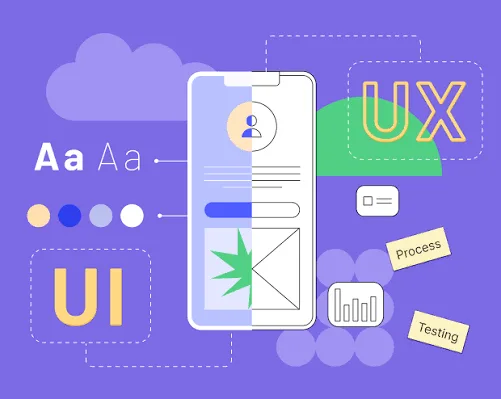
A: UI (User Interface) focuses on visual appearance, colors, buttons, and screens, while UX (User Experience) focuses on the user's complete journey, ease of navigation, and solving their problems within the product.
Q: How does good design impact conversion rates?
A: Seamless design removes all psychological and technical hurdles facing customers during purchase or registration, noticeably raising the completion rate of required actions.